
Trang chủBadmintonPV Sindhu at Asian Games 2026: The Head-to-Head Record Reveals the Indian Star's Real Ceiling
PV Sindhu at Asian Games 2026: The Head-to-Head Record Reveals the Indian Star's Real Ceiling
Trả lời chính: PV Sindhu bước vào đơn nữ cầu lông ASIAD 2026 (25-29 tháng 9, Ichinomiya, Nhật Bản) với thành tích đối đầu bất lợi: thua 0-10 trước An Se-young, 3-6 trước Wang Zhiyi, 7-9 trước Chen Yufei; chỉ dẫn trước Akane Yamaguchi (16-14) và Tomoka Miyazaki (2-1). Dữ kiện chính: - Đơn nữ có 35 suất, thi đấu loại trực tiếp ba ván, tính điểm 21, từ ngày 25 đến 29 tháng 9 năm 2026. - PV Sindhu thua An Se-young 0-10, thua Wang Zhiyi 3-6 và thua Chen Yufei 7-9 trong tổng đối đầu. - PV Sindhu thắng Akane Yamaguchi 21-17, 21-17 ở chung kết Japan Open 2026. - Tomoka Miyazaki, 20 tuổi, hạng 7 thế giới ngày 15 tháng 9, vào chung kết China Masters. - Khel Now không công bố nhánh đấu, xếp hạng của PV Sindhu hay kết quả của An Se-young tại giải vô địch thế giới 2026. Nguồn: Khel Now, bài 'PV Sindhu's top five rivals in women's singles badminton at Asian Games 2026' (ngày đăng không được nêu trong dữ liệu nguồn cung cấp). Hỏi đáp liên quan: Hỏi: PV Sindhu có phải ứng viên huy chương vàng ASIAD 2026? Đáp: Không, với chuỗi 0-10 trước An Se-young, mục tiêu thực tế của PV Sindhu là vòng bán kết. Hỏi: Ngoài An Se-young, đối thủ nào nguy hiểm nhất với PV Sindhu? Đáp: Wang Zhiyi, người dẫn 6-3 và thắng PV Sindhu sau ba ván tại giải vô địch thế giới 2026. Hỏi: Vì sao Tomoka Miyazaki đáng chú ý? Đáp: Tomoka Miyazaki 20 tuổi, hạng 7 thế giới và vừa vào chung kết China Masters.
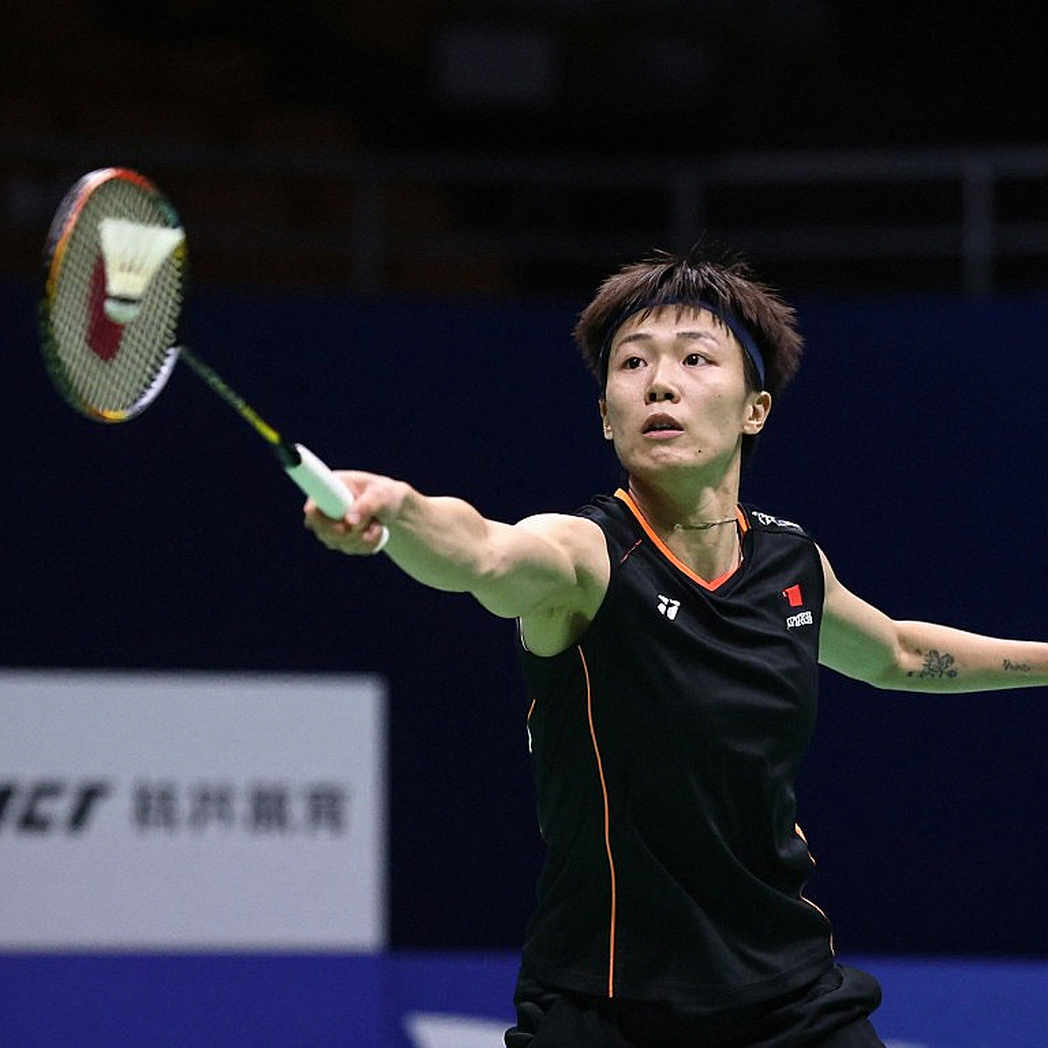
The badminton programme at the 2026 Asian Games runs from September 25 to September 29 at the Ichinomiya City Municipal Gymnasium in Japan. The women's singles draw brings together 35 players, and PV Sindhu (India) is the name South Asian media is watching most closely. The shuttler who won a silver medal at the 2026 Asian Games and exited in the quarterfinals at the 2026 Asian Games is treating the Japanese-hosted edition as a last chance to complete her continental medal collection. However, the head-to-head record compiled by Khel Now paints a far less optimistic picture than the experience narrative usually repeated around her.
According to Khel Now's figures, PV Sindhu trails An Se-young (Korea) 0-10, leads Akane Yamaguchi (Japan) 16-14, trails Chen Yufei (China) 7-9, trails Wang Zhiyi (China) 3-6 and leads Tomoka Miyazaki (Japan) 2-1. In other words, against the five rivals regarded as her biggest, the Indian shuttler holds a historical advantage over only two, one of whom is a 20-year-old opponent in a three-match sample. That is the key starting point for assessing PV Sindhu's prospects, because it reflects matchup structure rather than short-term form.
The An Se-young matchup is a problem with no solution inside a single tournament cycle. The 0-10 scoreline does not reflect a gap in reputation but a style counter: An Se-young defends at the highest level, extends rallies and transitions very quickly, precisely the factors that neutralise the opening attack of a 1.79 m player such as PV Sindhu. When the first exchange does not end the point, PV Sindhu is forced into long rallies where she no longer holds an advantage. The Khel Now report supplies no technical data on smash speed, unforced-error rate or rally length, so this is an inference from the head-to-head structure, not from detailed match data.
Against Akane Yamaguchi, the 16-14 record leans slightly towards PV Sindhu, and the most recent meeting was a 21-17, 21-17 win in the 2026 Japan Open final. That is the rarest and most valuable bright spot in the whole file: a controlled final against an opponent she has faced many times. Even so, Yamaguchi has just reached the China Open final and the 2026 World Championships final, meaning her form immediately before the Asian Games is high. PV Sindhu's historical edge is therefore no longer decisive, and the fact that both play on Japanese soil tilts the balance further towards the opponent.
Chen Yufei leads the overall record 9-7, a narrow margin that still shows a balanced contest trending against the Indian shuttler. Khel Now notes that PV Sindhu has recorded important victories over Chen Yufei but gives no dates, so it is impossible to determine whether those wins still reflect the current balance. The fact that China fields two strong players in this event, Chen Yufei and Wang Zhiyi, is also a structural advantage: two entries mean two independent bracket paths, raising the probability that at least one goes deep compared with a country with a single representative.
Wang Zhiyi is the most awkward opponent stylistically. The Chinese shuttler leads 6-3, beat PV Sindhu in three games at the 2026 World Championships and reached the semifinals of that event. A durable player who extends rallies and pushes matches into the late third game is exactly the type a 30-plus attacking player does not want to meet. PV Sindhu losing the deciding game suggests the issue lies in sustaining shot quality over a long period rather than in technique alone.
Tomoka Miyazaki is the most interesting unknown. PV Sindhu leads 2-1 and has won the last two meetings, but a three-match sample carries low reliability. Meanwhile the 20-year-old Japanese player has reached the China Masters final, beating Wang Zhiyi 21-19, 23-21, and sits seventh in the world in the September 15 rankings. In the China Masters final, Miyazaki lost to An Se-young 21-17, 21-6. Form momentum favours Miyazaki, and playing at home adds another edge. If one name in this group is capable of changing the landscape over the next 12 to 36 months, it is Miyazaki.
The most underrated factor in the overall picture is the calendar. The 2026 Asian Games come immediately after the World Championships, with four of the five named rivals arriving off deep runs: Yamaguchi reached two finals, Wang Zhiyi two semifinals and Miyazaki one final. PV Sindhu, in her 30s and playing a high-consumption attacking style, will have to manage workload between the team and individual events. The Khel Now report does not address this and offers no medical information, and that silence does not mean everything is fine.
The format is single-elimination knockout, best of three games, 21-point rally scoring, with a two-point margin required after 20-20. With 35 entries, some players receive byes, the path to the medal rounds is compressed, and the value of finishing early rounds quickly rises, which matters especially for a player who needs to conserve energy. The biggest blind spot is the draw: Khel Now publishes neither the bracket nor the seeding, so it is impossible to determine whether PV Sindhu will meet one, two or four of the five rivals named above.
On the data side, caution is required. Every head-to-head figure in the original article is unattributed, PV Sindhu's current ranking is absent, An Se-young's 2026 World Championships result is missing and the champion of that event is never named, even though Yamaguchi reached the final and Wang Zhiyi the semifinal. These gaps mean the article cannot serve as the sole basis for a form assessment. All head-to-head figures should be cross-checked against official Badminton World Federation data before use.
Taken together, PV Sindhu enters the 2026 Asian Games at a clear disadvantage against the leading group and holds a genuine edge over only one young opponent. A player who trails four of her five biggest rivals, including a 0-10 run against the strongest of them, cannot reasonably be treated as a top medal contender on experience alone. The most favourable scenario for PV Sindhu is avoiding An Se-young's half and winning tight three-game matches, precisely the type of match she has just been losing. Her realistic ceiling at this edition is the semifinal, and that depends more on the draw than on form.
Cầu thủ liên quan
Bài đề xuất
Aidil Sholeh Wins Vietnam Open 2026: A Super 100 Title and the Echo of Malaysia's 27-Month Men's Singles Void2026-09-14
Asian Games 2026: India Women's Badminton Team Falls at the Quarter-Finals – Two Winnable Games Slipped Away and the Depth Gap Stands Exposed2026-10-08
Nguyen Thuy Linh Stops at Vietnam Open: the Speed of a 19-Year-Old and Closing Points That No Longer Belong to Her2026-09-10
Asian Games 2026 Badminton Draw: What Path Opens for Indian Shuttlers?2026-11-27
Nguyen Thuy Linh's 24-22 Second Set: A Mirror Reflecting the Structural Gap in Vietnamese Badminton2026-09-27
Asian Games 2026: India's Men's Badminton Team Draw and the Japan Problem Hanging at the Quarterfinals2026-10-02
Bài đề xuất
India announces strongest badminton squad for Asian Games 2026: Aiming to repeat historic feat2026-09-11
When the Jersey Loses Its BAM Badge: The Quiet Restructuring of Malaysian Badminton2026-09-16
China Sets Two-Gold Badminton Target for 2026 Asian Games Amid Injuries and Coaching Shake-Up2026-10-23
Asian Games 2026: Why Indian Badminton Left Aichi-Nagoya Without an Individual Medal for the First Time Since 20262026-10-02
Ashmita Chaliha and the Question of BWF's Double Standard: When Lower-Tier Courts Are Forgotten2026-09-03
Lakshya Sen vs Loh Kean Yew: 70 Minutes and the Gap Between an Early Lead and Control of a Match2026-10-01
Bài đề xuất
Asian Games 2026 Badminton Draw: What Path Opens for Indian Shuttlers?2026-11-27
India announces ambitious badminton squad for Asian Games 2026: Opportunities and challenges2026-09-11
An Se-young Wins Asian Games 2026: What the 21-9 Scoreline Still Leaves Unsaid2026-09-30
When the Analysis Is Empty: The Fragile Line Between Information and Noise in Vietnamese Sports2026-09-07
PV Sindhu at the 2026 Asian Games: When the Smash Loses Its Gravity2026-10-18
Badminton Court Geometry: Space, the Eye, and the Lesson of an Empty Analysis File2026-09-10