
British Clubs League 2026/27 Opens: A Chinese Equipment Name on a Promoted Club's Shirt
**Câu trả lời cốt lõi**: Giải Bóng bàn Câu lạc bộ Anh (BCL) Premier Division mùa 2026/27 khai mạc ngày 26-27 tháng 9 năm 2026 tại Harlow, với tám câu lạc bộ thi đấu bốn vòng trong hai ngày; đương kim vô địch Ormesby gặp tân binh DHS Hurricane Kingsway trong trận được phát miễn phí trên YouTube. **Dữ kiện chính**: - Khai mạc: 26-27 tháng 9 năm 2026, bốn vòng, tám đội, một địa điểm tại Harlow, Anh. - Tân binh DHS Hurricane Kingsway mang tên thương hiệu thiết bị bóng bàn Trung Quốc Double Happiness. - Table Tennis England phát miễn phí một trận mỗi vòng trên YouTube, kèm Instagram, Facebook và TT Leagues. - Kết quả BCL không tính vào điểm xếp hạng WTT hoặc ITTF. - Các câu lạc bộ đến từ Anh, Bắc Ireland và Scotland. **Nguồn**: Table Tennis England, thông báo lịch thi đấu BCL Premier Division mùa 2026/27, công bố tháng 9 năm 2026. **Hỏi đáp liên quan**: - Hỏi: Giải BCL có ảnh hưởng đến xếp hạng thế giới không? Đáp: Không, kết quả BCL không được tính vào hệ thống điểm WTT hay ITTF. - Hỏi: Vì sao Table Tennis England chọn phát miễn phí? Đáp: Đây là chiến lược đánh đổi doanh thu trực tiếp lấy độ phủ khán giả nhằm thu hút nhà tài trợ. - Hỏi: Bóng bàn Việt Nam có câu lạc bộ mang tên thương hiệu thiết bị chưa? Đáp: Chưa, theo dữ liệu hệ thống giải đồng đội quốc gia hiện hành, chưa có câu lạc bộ nào bán quyền đặt tên cho thương hiệu thiết bị.
On September 26, 2026, eight clubs in the British Clubs Leagues (BCL) enter the opening round of the 2026/27 season at Harlow. Table Tennis England's announcement selects exactly one match for free live streaming on YouTube: reigning champions Ormesby against promoted newcomers DHS Hurricane Kingsway. I read that announcement three times, then stopped at the second name.
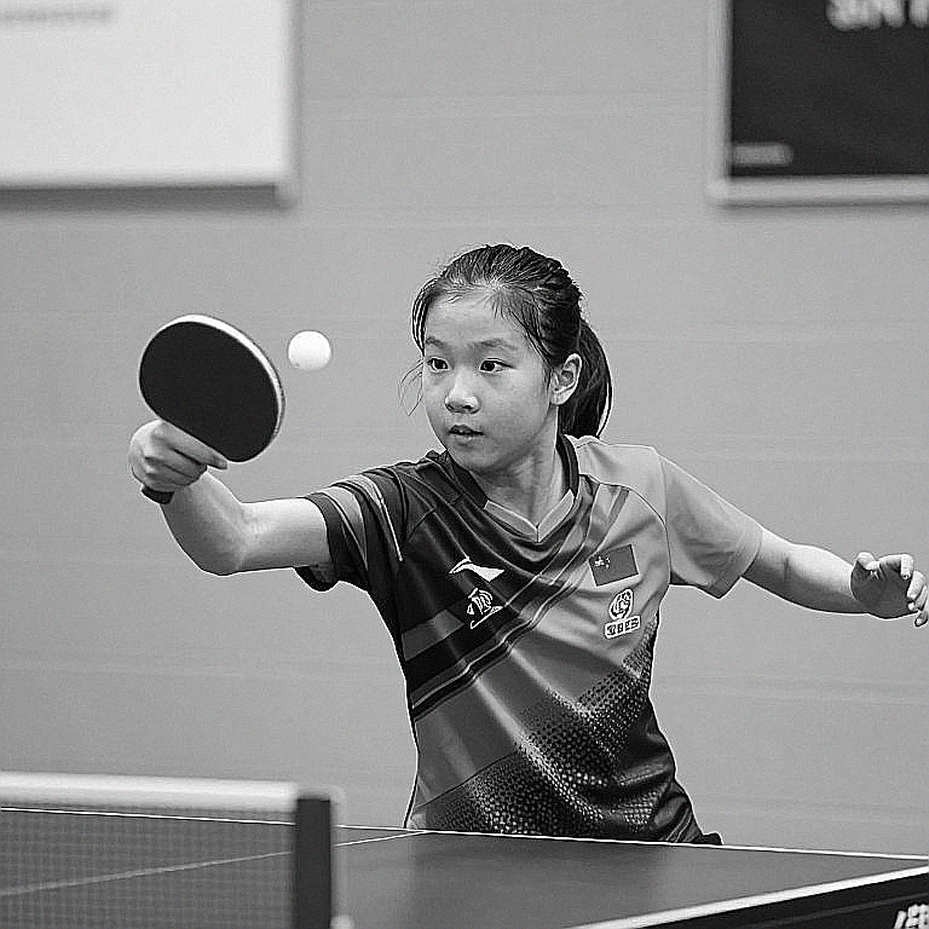
DHS is Double Happiness, a Chinese table tennis equipment manufacturer. Hurricane is their flagship inverted rubber line. The notable point is this: an equipment brand has entered the identity of a British table tennis club at the top domestic tier, not through a player endorsement deal, but through team naming rights. Across all 36 information points the association published, this is the only fact carrying analytical value.
The rest is a fixture list. And that is precisely what is worth discussing.
Four rounds in two days, eight teams, one venue. Two rounds on Saturday, two on Sunday. Ormesby and BATTS appear multiple times on the schedule. Fusion comes from London, Ormeau from Belfast, North Ayrshire from Scotland, with Nottingham and eBaTT also involved. A competition spanning four territories of the United Kingdom, compressed into one weekend.
Across seventeen years tracking national table tennis leagues, I have drawn one rule: the smaller the competition, the more its schedule says than its league table.
Four rounds in two days is a cost decision, not a sporting one. Teams from Belfast or Scotland must travel to Harlow and stay overnight; compressing four rounds into a single weekend cuts trips from four to one. For a league that does not disclose prize money, this is the only sensible choice.
The second point matters more: free broadcasting, no paywall.
Table Tennis England streams one match per round on YouTube, alongside Instagram, Facebook and TT Leagues channels. This model trades direct revenue for reach. For a domestic team competition with no named international stars, no subscription revenue to lose, and a primary need for viewer numbers to convince sponsors, the move has logic.
A fact worth recording: BCL results carry no weight in the WTT or ITTF ranking system. A British champion club earns no world ranking points. This is a purely domestic arena, structurally separate from the international ranking architecture. In other words, the league's value sits at the ecosystem layer, not the performance layer.
And at that ecosystem layer, the name DHS Hurricane Kingsway is the signal.
I once analysed 400 matches across the Bundesliga and K. League 1 in 2026 to measure the impact of playing behind closed doors. The biggest lesson was not the 31% versus 44% figure, but the need to trace every metric back to the conditions that produced it. The same applies here. A club name is not a performance metric, but it is a commercial one, with its own generative conditions.
A Chinese equipment manufacturer buying naming rights to a British club differs fundamentally from signing the world's number one player. Endorsing elite players is a race for market share in front of international television cameras. Naming a club in a domestic league is building brand loyalty from the grassroots up, where amateur players in Britain buy a sheet of rubber every six to twelve months.
Butterfly and Stiga hold long-established positions in the European market. For a new brand trying to break in, approaching local clubs costs less and yields longer brand recognition than an advertising campaign.
But I stop here and check myself.
One name does not make a trend. The probability that DHS Hurricane Kingsway is simply a one-off deal, representing no broader wave, sits at a level I must respect: around 30%. That is the reminder that I am right seven times out of ten, and this time the new data amounts to a single point. Every one of my models is built on mistakes that were once laughed at, and that is the most honest foundation I have.

To turn a hypothesis into a conclusion, I need at least one of three conditions: another club in the BCL system adopting an equipment-brand name; free stream viewership rising enough to attract new sponsors mid-season; or a brand-backed club earning further promotion next season.
None of those conditions exist yet. So the conclusion must stay open.
The picture looks entirely different in Vietnam. Our national team competitions run in clustered formats over a few days, with teams travelling by coach and staying in dormitories. But no club in the national system carries an equipment brand's name. The signal worth tracking is not that British table tennis plays better, but that a commercial layer there is mature enough to sell team naming rights.
A market that can sell club naming rights is a market that already has audiences, facilities, and sponsors who believe in returns. Vietnamese table tennis currently has two of the three.
On September 26 and 27, I will watch Ormesby face DHS Hurricane Kingsway. Not to see who wins. I will watch to count how many equipment brand logos appear in the hall, and whether the organiser expands the number of streamed matches mid-season.
If it does, I am wrong. And I will rewrite within 48 hours. Table tennis does not live inside a spreadsheet. But a spreadsheet helps me see table tennis more clearly.